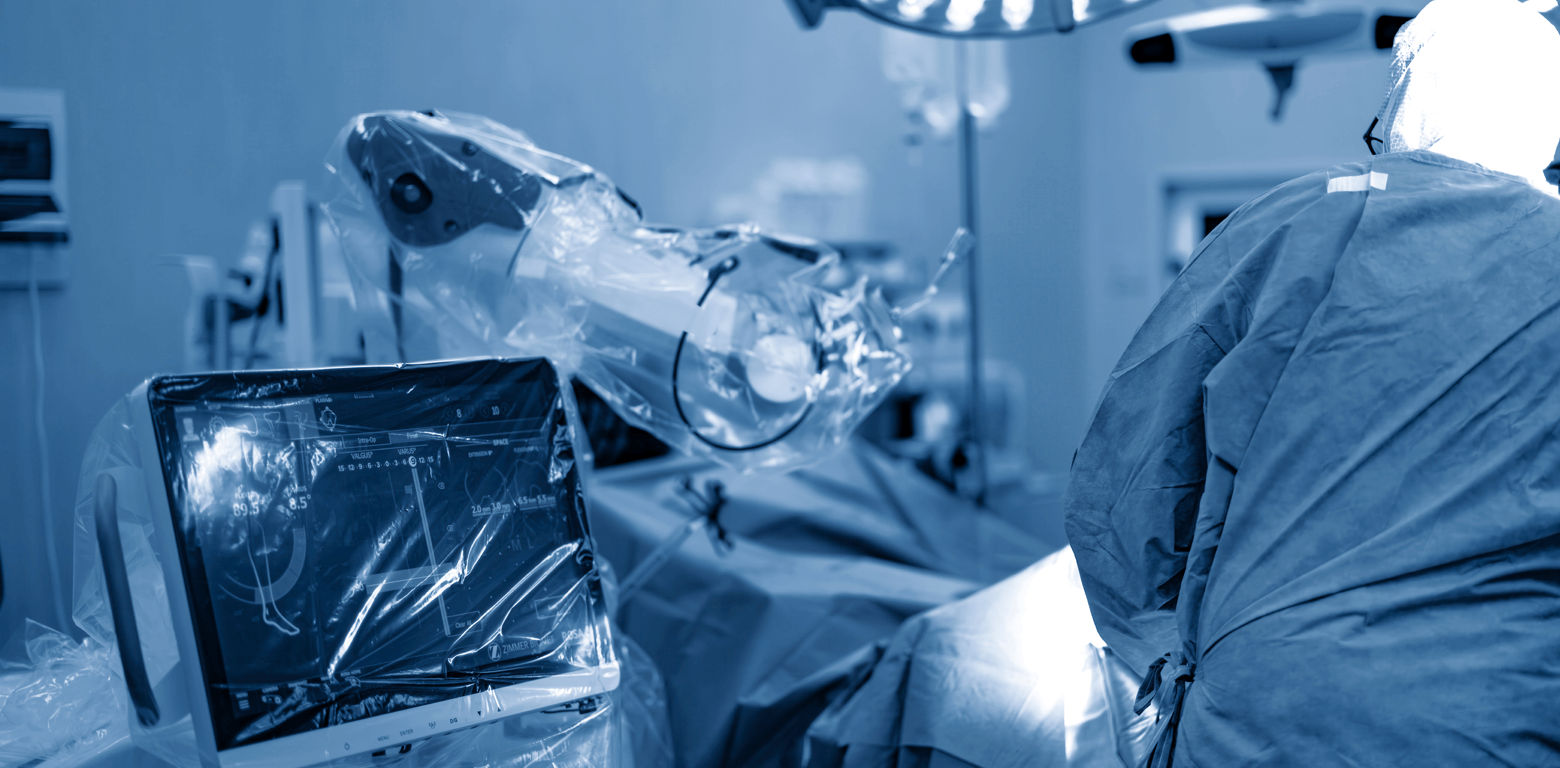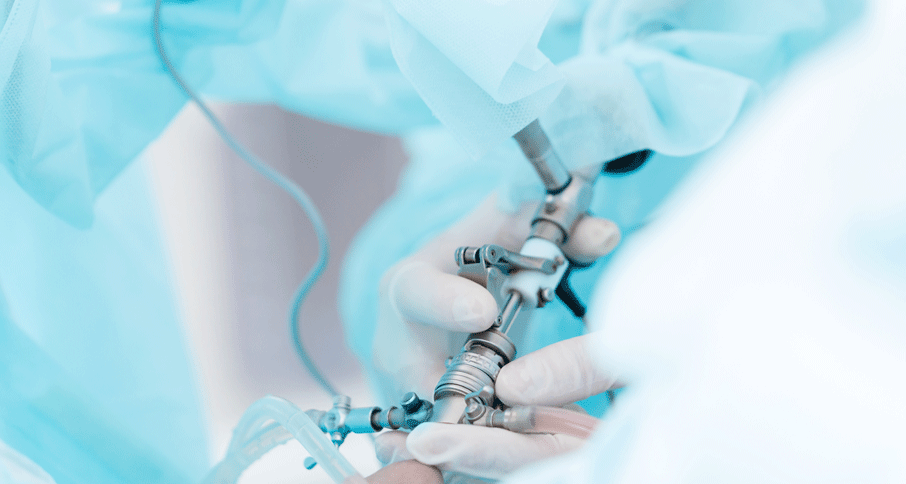




The Urology Clinic of Metropolitan General covers the full spectrum of modern Urology, including diagnostic, therapeutic, and surgical services.
It is supported by:
- An endoscopic unit in which all transurethral procedures are performed: endoscopic removal of kidney stones, transurethral resection of the prostate, transurethral resection of bladder tumors, ureteroscopy for the treatment of ureteral stones and tumors, internal urethrotomy, and percutaneous removal of large renal stones.
- A laparoscopic unit for the management of various urological conditions, such as renal cysts, ureteral stones, nephrectomy, varicocele, and cryptorchidism, aiming to avoid open surgical procedures.
The Clinic also manages lower urinary tract dysfunctions (urinary incontinence) in both men and women, as well as conditions related to male infertility and sexual dysfunction, by specially trained Urologists–Andrologists.
When deemed necessary, microsurgical procedures or minimally invasive surgical treatments are performed for optimal restoration of these conditions, with a hospital stay of only one day.
Additionally, within the Imaging Department of Metropolitan General, specialized imaging examinations for male infertility and sexual dysfunction can be performed by experienced and specialized Radiologists, in collaboration with Urologists–Andrologists. These include testicular ultrasound, epididymal ultrasound, transrectal ultrasound of the prostate and seminal vesicles, testicular vessel triplex, and penile vessel triplex.
Fusion Biopsee Prostate Biopsy System
Metropolitan General is equipped with the most advanced prostate biopsy system, Fusion Biopsee, which provides high diagnostic accuracy in prostate cancer detection, facilitating the development of an appropriate treatment protocol.
Fusion transperineal prostate biopsy represents the most advanced technique, offering high diagnostic accuracy and maximum safety, particularly in cases where there is a strong suspicion of cancer, and conventional biopsy fails to detect it.
Fusion Biopsee is a comprehensive system for targeted transperineal prostate biopsy, performed under real-time guidance and monitoring using an integrated ultrasound system, with MRI/PET/CT image fusion technology.
It consists of:
- An integrated computer with advanced software for 3D image acquisition, processing, planning, navigation, and reporting
- High-quality 3D ultrasound imaging
- Single-entry needle guidance
- A portable and easily movable system
Using the specialized software of the Fusion Biopsee system, multiparametric MRI images previously obtained by the patient are combined with real-time prostate ultrasound, allowing precise identification and mapping of suspicious lesions with millimeter accuracy. In addition to targeted biopsies of suspicious lesions, systematic representative biopsies are also obtained from the entire prostate to ensure accurate diagnosis.
The technique is performed using a specialized ultrasound probe and grid through the perineum (the area between the scrotum and the anus), rather than transrectally. In this way, the risk of severe urinary tract infection and sepsis associated with conventional transrectal biopsy is minimized, while the intestinal mucosa is not traumatized.
HoLEP / MoLEP Technique in Prostate Surgery
Transurethral enucleation of the prostate using Holmium Laser (HoLEP / MoLEP) is a modern, minimally invasive surgical technique that utilizes high-power laser energy for the removal of enlarged prostatic tissue. Unlike traditional methods, the procedure is performed without external incisions, with minimal pain and limited blood loss. Complete tissue removal significantly reduces the likelihood of complications and provides long-term outcomes, minimizing the need for future reoperation.
MoLEP represents the most advanced evolution of HoLEP and is based on Moses 2.0 technology, which allows greater precision and improved control of energy delivery to tissues. The result is even less bleeding, shorter operative time, and faster recovery.
Procedure
The procedure is performed through the urethra, without any external incision, under general anesthesia. The surgeon inserts a specialized endoscopic instrument and, using Holmium Laser, enucleates the hyperplastic prostatic tissue from the prostatic capsule. The removed tissue is displaced into the urinary bladder and subsequently extracted using a specialized device, the morcellator.
Lumenis Moses 2.0 technology provides exceptional precision and controlled energy delivery, contributing to reduced bleeding and shorter operative duration. Thanks to this innovation, the method is safe, effective, and patient-friendly, offering immediate symptom relief and rapid return to daily activities.
Indications
HoLEP is primarily recommended in cases of:
- Benign prostatic hyperplasia (BPH), regardless of prostate size.
- Patients receiving anticoagulant therapy, due to the reduced risk of bleeding.
- Cases where complete tissue removal is required for histological analysis.
Patient benefits
- Very low blood loss due to the use of laser technology.
- Rapid recovery, with hospital discharge usually within 24 hours.
- Short catheterization time (typically one day).
- Long-term effectiveness, with a minimal likelihood of repeat intervention.
- High level of safety for patients with cardiovascular conditions or those on anticoagulant therapy.
- Preservation of tissue for histological examination, an advantage not offered by other laser techniques.
Cutting-edge technology at Metropolitan General
Metropolitan General is among the few hospitals in Greece equipped with the Lumenis Moses 2.0 system, the most advanced laser technology for urological procedures. This investment reflects our ongoing commitment to providing modern, safe, and high-quality therapeutic solutions to our patients.
Urodynamic Evaluation
Urodynamic evaluation is the most accurate available tool for assessing the function of the lower urinary tract (bladder, urethra, and urethral sphincters) in both men and women, providing precise information on urine storage and voiding. Its purpose is to reproduce the patient’s symptoms, allowing accurate identification of the underlying pathological cause through the measurement of various physiological parameters.
Metropolitan General is equipped with the complete Video Urodynamic Study system Samba, an 8-channel system by MMT / Dantec, offering high precision and suitability for all clinical urodynamic protocols. It provides flexibility for additional functionality, making it highly reliable. The system consists of the Samba Patient Unit, four (4) pressure channels, two (2) uroflowmetry channels, and two (2) electromyography (EMG) channels.
All standard urodynamic investigations are performed, including:
- Uroflowmetry: measurement and recording of urinary flow rate over time
- Post-void residual urine measurement: assessment of residual urine volume in the bladder
- Water cystometry
- Filling cystometry (Cystometrogram - CMG): measurement of intravesical pressure during bladder filling, usually with normal saline
- Voiding cystometry
- Pressure-flow studies (PFS): recording of intravesical pressures during urination, combined with simultaneous measurement of urinary flow. This produces a graphical representation that allows determination of whether voiding is obstructed, non-obstructed, or equivocal
- Electromyography (EMG): recording of the electrical activity of the perineal sphincter mechanism during bladder filling, voiding, or both phases
- Urethral pressure profile (UPP): graphical representation derived from recording pressures within the urethra, performed by steady withdrawal of a specialized catheter
- Video urodynamics: the most comprehensive urodynamic study, in which bladder filling is performed using contrast medium and all the above components are performed under simultaneous fluoroscopic imaging of the lower urinary tract
- Biofeedback with animation
Data recorded during urodynamic testing are presented in the form of mathematical curve diagrams.
The urodynamic evaluation procedure is painless. The patient may experience some discomfort, but not pain.
The examination is performed by specialized medical and nursing staff to ensure accurate performance and interpretation.
Indications for urodynamic evaluation
Urodynamic evaluation is indicated in patients:
- with urinary incontinence (involuntary loss of urine)
- prior to prostate surgery
- with persistent lower urinary tract symptoms and underlying conditions such as diabetes mellitus, multiple sclerosis, Parkinson’s disease, recent cerebrovascular accident, among others
- prior to intervention in patients with a complex clinical presentation due to failed previous treatment or surgery. Specifically, in patients presenting with mixed incontinence, obstructive symptoms, significantly increased post-void residual urine, neurological disease, or other pathological conditions (such as pelvic organ prolapse or history of radiation therapy) that may contribute to lower urinary tract dysfunction.
Robotic Urology (Da Vinci)
Advances in technology have led to the development of robotic surgery, significantly transforming modern surgical practice. This approach, utilizing the Da Vinci robotic system, is less invasive and less traumatic compared to open surgery, while offering clear advantages over laparoscopic and, in many cases, endoscopic surgery.
Metropolitan General is among the few centers in Greece equipped with the most advanced Da Vinci model, the Da Vinci Xi, enabling surgeons to perform a wide range of procedures with millimeter precision, enhanced efficiency, and greater flexibility.
The benefits of robotic surgery for patients are significant. Key advantages include:
- Reduced blood loss
- Less postoperative pain
- Shorter hospital stay
- Faster return to normal activities
- Lower rate of complications (adhesions, hernias, injury to adjacent anatomical structures)
- Improved functional outcomes
The application of robotic surgery in urology includes the treatment of prostate cancer, kidney cancer, bladder cancer, and urothelial carcinoma of the renal pelvis and ureter. In addition, it can be applied in selected cases of male genital microsurgery for the treatment of infertility, such as epididymal anastomosis.
Main robotic urological procedures
Radical prostatectomy
Due to its excellent oncological outcomes, high rates of urinary continence and preservation of erectile function, reduced transfusion requirements, and lower incidence of urethral strictures, robotic radical prostatectomy is the most commonly performed surgical treatment for prostate cancer in the United States.
Partial nephrectomy - radical nephrectomy - nephroureterectomy
Partial nephrectomy is the treatment of choice for small renal tumors and is technically demanding in both open and laparoscopic approaches. The robotic system enables faster and more precise suturing of the renal defect, resulting in improved postoperative renal function, reduced blood loss, and minimal skin incisions, leading to less pain, shorter hospitalization, and faster recovery. Similar advantages apply to radical nephrectomy. In nephroureterectomy, where removal of the ureter down to the bladder is required, the robotic system allows repositioning of the robotic arms toward the bladder without the need for additional incisions.
Radical cystectomy - partial cystectomy
Radical cystectomy is the treatment of choice for muscle-invasive bladder cancer and can now be performed robotically. The advantages of robotic radical cystectomy include:
- Improved oncological outcomes
- Improved functional outcomes, enabling appropriate urinary diversion and preservation of quality of life
- Minimization of perioperative complications
Depending on the extent of the disease, removal of adjacent reproductive organs may be required. In women, this may include removal of the uterus, fallopian tubes, and part of the vagina. In men, it may include removal of the prostate, seminal vesicles, vas deferens, and, in some cases, the neurovascular bundles responsible for erectile function. With robotic cystectomy, preservation of sexual function in both sexes can often be achieved, without compromising oncological outcomes.