






What you need to know:
Gastroscopy is the method of choice for investigating disorders of the esophagus, stomach and duodenum.
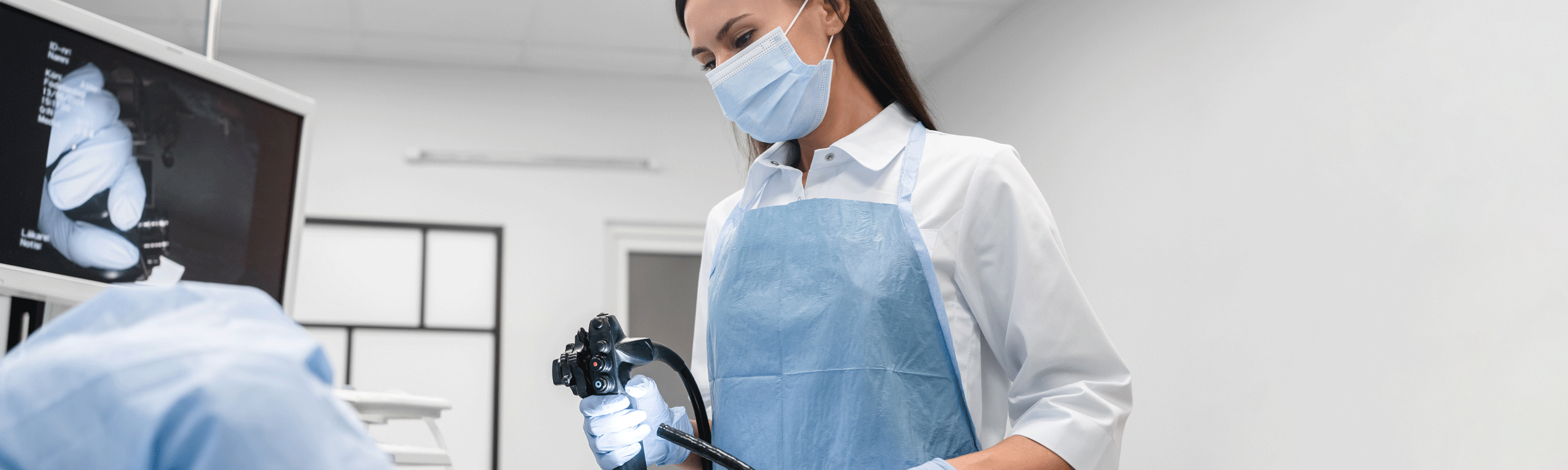
It is performed using a thin, flexible instrument, the gastroscope, which is able to transmit images from inside the esophagus-stomach-duodenum to a special monitor.
The examination is safe, short in duration (5–15 minutes) and well tolerated by the patient, as it is performed under mild sedation, with or without the simultaneous administration of a local anesthetic to the throat. Immediately before the examination, a protective mouthpiece is placed in your mouth to prevent injury to your teeth.
During the examination, the upper gastrointestinal tract is examined by passing the endoscope through the mouth, allowing all parts of the upper gastrointestinal tract, from the esophagus to the beginning of the small intestine (duodenum), to be examined accurately.
In addition, histological material (biopsy) may be obtained during the examination for more specialized testing, where required.
Gastroscopy may also be used to perform other interventional procedures, such as polyp removal, dilation of a narrowing, stent placement and control of any bleeding (hemostasis).
Procedure:
Before the examination begins, you will be asked:
- To remove any dentures and glasses.
- To loosen your belt or any tight clothing.
- To wear a disposable gown and lie on your left side.
- The nurse will spray your throat with a local anesthetic and place a plastic mouthpiece (protector) between your teeth.
An intravenous catheter will be placed and you will be given a sedative medication through the intravenous catheter, as well as oxygen through the nose.
Throughout the procedure, your heart rate, blood pressure and oxygen levels will be monitored.
The doctor will pass the gastroscope through the mouth into the pharynx, oesophagus, stomach and duodenum.
The examination does not cause pain or retching.
Preparation for the examination:
Fasting: You must not eat or drink anything for at least 6–8 hours before the examination.
Medication: You may take your usual medication with a little water, according to the instructions of your treating physician.
After the examination:
Driving is not permitted for 3 hours due to sedation.
When and how you will receive the examination result:
You will receive the examination result immediately after it has been completed.
If histological material (biopsy) has been obtained, you will be informed by the secretary of the doctor who referred you for or performed the examination.