






What you need to know:
Colonoscopy is the method of choice for investigating disorders of the large intestine and the final part of the small intestine (terminal ileum), as it enables accurate diagnosis and confirmation of diseases affecting these organs.
It is performed using a thin, flexible instrument, the colonoscope, which is able to transmit images from inside the intestine to a special monitor.
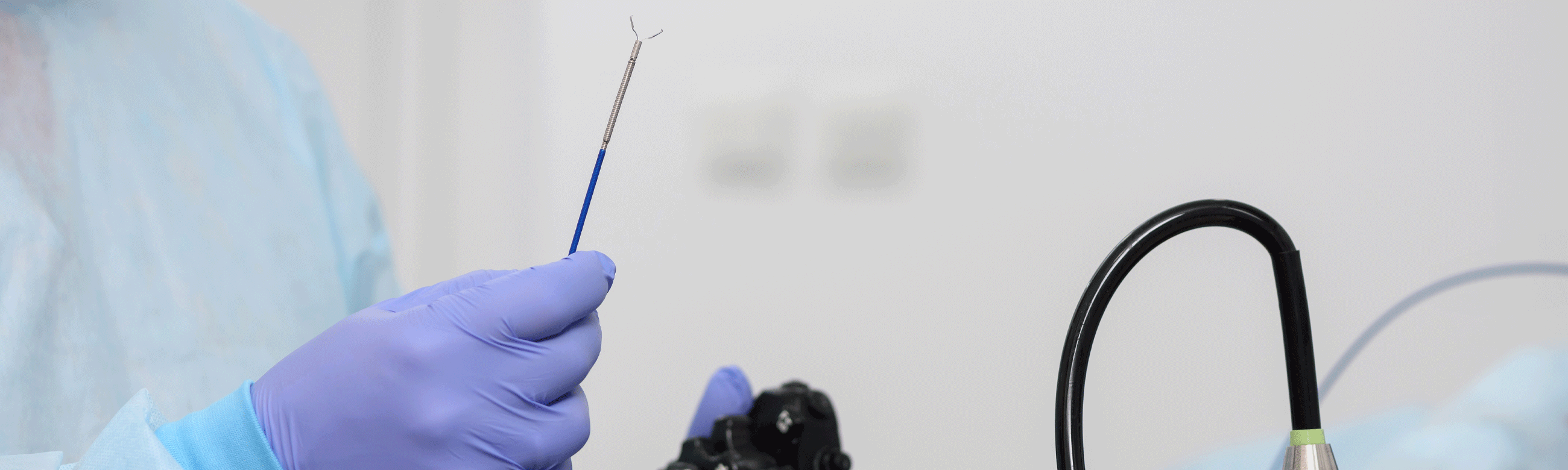
During the examination, histological material (biopsy) may be obtained to document any diagnosis. Colonoscopy may also be used to perform other interventional procedures, such as polyp removal, dilation of a narrowing, stent placement and control of any bleeding (haemostasis).
The examination lasts approximately 15–30 minutes.
Procedure:
Before the examination begins, you will be asked:
- To lie on your left side and remove your clothing from the waist down.
- An intravenous catheter will be placed for sedation, analgesic or antispasmodic medication, as well as a tube for oxygen through the nose.
- Your heart rate, blood pressure and oxygen levels will be monitored throughout the examination.
Preparation for the examination:
If you have constipation, avoid greens, legumes and foods rich in fibre for 5–6 days before the examination.
If you are taking anticoagulants, contact your doctor regarding any temporary discontinuation or alternative treatment.
The previous day:
Avoid solid food and consume only liquids: tea, chamomile, coffee without milk, packaged juices (not fresh juices), and avoid red juices (pomegranate, cherry, strawberry, etc.).
Begin the bowel cleansing process according to your doctor’s instructions, as cleansing may be performed using different preparations depending on your needs.
On the day of the examination:
You may drink only a small amount of water up to 3 hours before the examination time, strictly and only if you need to take one of your medications.
After the examination:
Driving is not permitted for 3 hours due to sedation.
When and how you will receive the examination result:
You will receive the examination result immediately after it has been completed.
If histological material (biopsy) has been obtained, you will be informed by the secretary of the doctor who referred you for or performed the examination.