


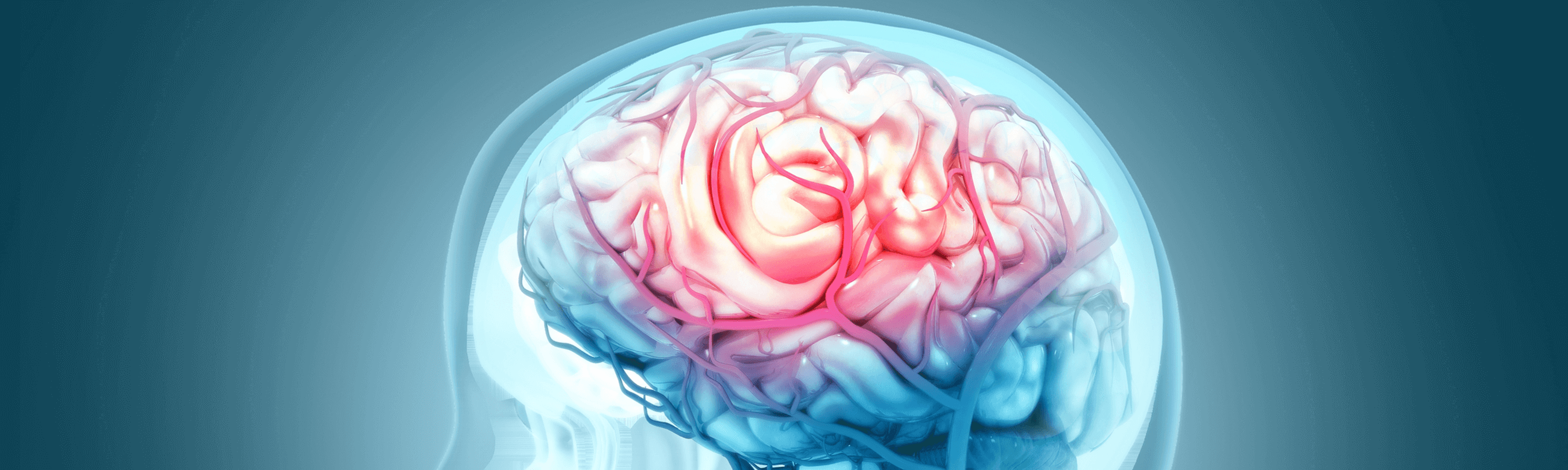




The Department deals with patients who present all forms of vascular diseases in the brain.
It consists of physicians specialized abroad (USA) in the management of all vascular diseases of the brain. It includes Neurologists (Vascular Neurologist), Neurosurgeons (Cerebrovascular/Endovascular Neurosurgeon), and Interventional Neuroradiologists (Interventional Neuroradiologist) with extensive experience in the management of Cerebrovascular Events (stroke).
This harmonious collaboration of a team of highly trained and experienced specialists of different specialties (multidisciplinary team) guarantees the most complete possible management of patients with vascular diseases in the brain.
Our team is on standby 24 hours a day, on a daily basis, to provide the best possible treatment for every patient with stroke.
Acute Ischemic Stroke
The most common condition we manage on a daily basis is acute ischemic stroke.
It is important to emphasize that the earlier a patient with ischemic stroke presents to the hospital, the greater the likelihood of a favorable outcome.
Patients with acute ischemic stroke are treated using two main approaches:
- Intravenous thrombolysis, in which a specialized medication is administered intravenously to dissolve the clot obstructing a blood vessel
- Mechanical thrombectomy, in which the clot is removed using endovascular techniques
Management follows the latest American Heart Association / American Stroke Association (AHA/ASA) guidelines.
Upon arrival at the hospital, the patient is immediately evaluated by a neurologist, who determines whether a stroke is present. Urgent imaging studies are then performed, and, if the patient meets the appropriate criteria and has no contraindications, treatment is initiated with thrombolysis, thrombectomy, or a combination of both. Patients who do not meet the criteria or have contraindications are managed conservatively.
Following completion of treatment and stabilization, further investigations are carried out to identify the underlying cause, with the aim of preventing recurrence through appropriate medical therapy.
Hemorrhagic Stroke
The Department treats patients who are present with hemorrhagic stroke.
In cases of intracerebral hemorrhage, management is usually conservative, with the aim of controlling hypertension (which is often present) and investigating the underlying cause to prevent another episode. In selected cases, the patient is taken to surgery for removal of the hematoma by a neurosurgeon specialized in cerebrovascular diseases. When the hemorrhage is due to a cerebral arteriovenous malformation, management, when indicated, is decided on a case-by-case basis and may include open surgical resection, embolization, or radiotherapy.
In cases where the hemorrhage is subarachnoid, it is usually due to rupture of a cerebral aneurysm; management is most often performed with embolization by an interventional neuroradiologist. More rarely, surgical treatment of the aneurysm is performed with open surgery (clipping) by a neurosurgeon.
Chronic Cerebral Ischemia
In addition, the Department deals with cases presenting with transient ischemic attacks as well as stroke in the chronic phase (ischemic or hemorrhagic), with the aim initially to determine the cause and to administer the most appropriate medical treatment (for the prevention of new episodes). Patient follow-up is long-term and includes optimal control of risk factors (common to all cardiovascular diseases).
In cases where significant carotid artery stenosis is identified, management may be performed either with neurointerventional techniques through stent placement or surgically (endarterectomy). More rarely, stenoses of the basilar or vertebral arteries may also be treated with neurointerventional techniques.
Other Cerebrovascular Diseases
- Venous thromboses
- Vasculitides
- Dissections of extracranial vessels (carotid and vertebral arteries) as well as intracranial vessels (carotid, vertebral, middle cerebral, basilar)
- Moyamoya disease (with revascularization procedures)
- Embolization of brain and spinal tumors
- Arteriovenous communications (dural arteriovenous fistula) of the brain and spinal cord