


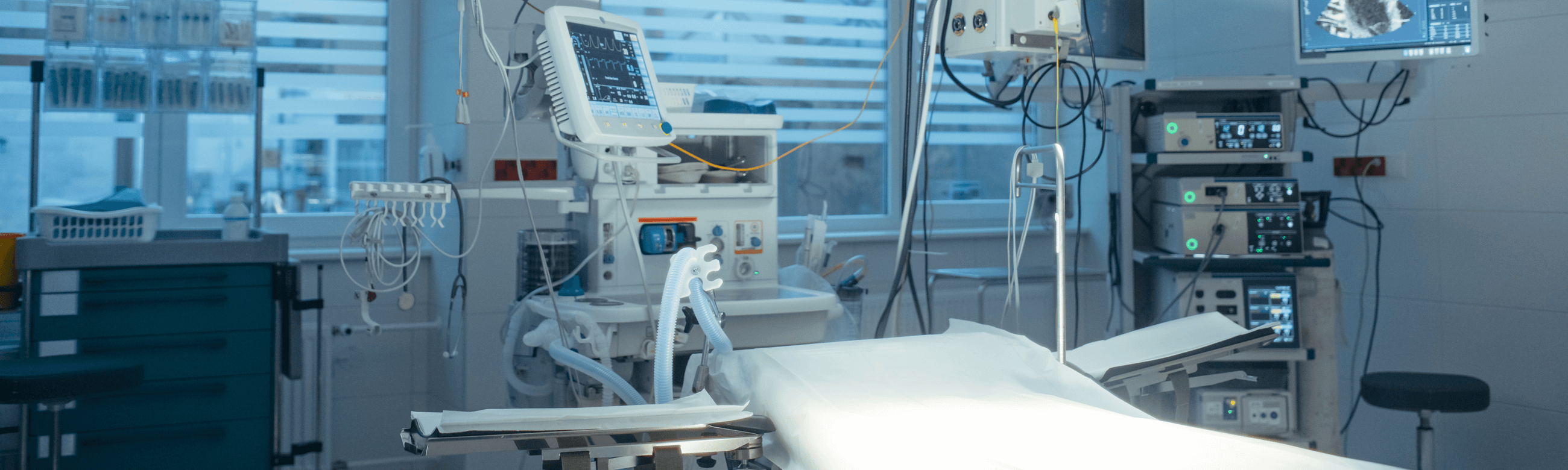




The 2nd Surgical Clinic for Minimally Invasive Gastrointestinal Surgery and Robotic-Endoscopic Surgery of Complex Hernias and Abdominal Wall Reconstruction was established with the aim of providing the optimal and safest possible treatment of surgical conditions, using the most advanced minimally invasive surgical techniques.
Each patient is treated on an individual basis, with responsibility and respect, applying the most modern and technologically advanced methods and techniques for the diagnosis and treatment of their disease.
The 2nd Surgical Clinic covers almost the entire spectrum of modern General Surgery, with particular emphasis and specialization in Laparoscopic Surgery, both in elective and emergency cases.
The Director, attending physicians and associates of the Clinic are experienced and distinguished surgeons, each with specific areas of expertise in different fields of surgery, who work as a team to provide comprehensive coverage across the full spectrum of Surgical Pathology.
Through training at major centers abroad, continuous participation in leading conferences and surgical forums, academic distinctions and activities, as well as ongoing postgraduate training, the Clinic’s medical staff apply the most advanced minimally invasive surgical techniques on a daily basis.
The 2nd Surgical Clinic is also supported by a team of specialized physicians from non-surgical specialties, including internists, oncologists, an interventional gastroenterologist and interventional radiologists, who work alongside the Clinic’s surgical team and enhance the therapeutic outcome of a meticulously performed surgical procedure.
Procedures performed
- Minimally invasive surgery for abdominal wall hernias (umbilical hernia, inguinal hernia, femoral hernia, ventral hernia, incisional hernia, etc.). Procedures are performed laparoscopically or using newer techniques that minimize patient discomfort (ONSTEP, TIPP, TEP methods, etc.)
- Diseases of the anus and perianal region (hemorrhoidal disease, perianal abscess, perianal fistula, anal fissure, pilonidal cyst, condylomas). These are treated with therapeutic-surgical LASER (HeLP, LHP, FiLAC methods), with only a few hours’ stay in hospital
- Colorectal surgery for benign and malignant diseases such as:
- Bowel cancer
- Intestinal polyps
- Diverticulitis
- Crohn’s disease
- Ulcerative colitis
- Familial polyposis
- Bowel prolapse
Procedures on the colon (right and left colectomy, total colectomy with J-pouch) are performed laparoscopically, that is, through small incisions.
Laparoscopic rectal resection is performed with the strictest adherence to oncological principles and with the possibility of avoiding a permanent stoma in most cases, thanks to particularly pioneering procedures such as intersphincteric rectal resection.
In addition, transanal tumor excision is performed using minimally invasive techniques (TAMIS, TEM, taTME).
- Upper gastrointestinal surgery (esophagus - stomach - small intestine)
- Laparoscopic repair of hiatal hernia
- Laparoscopic treatment of gastro-esophageal reflux disease
- Laparoscopic surgery for esophageal motility disorders
- Esophageal surgery (benign and malignant conditions)
- Gastric surgery (benign and malignant conditions)
- Laparoscopic small bowel surgery (tumors, adhesions, etc.)
- Surgery of the liver - biliary tract - pancreas - spleen
- Laparoscopic cholecystectomy
- Laparoscopic resection of liver tumors and metastases
- Pancreatic surgery (benign and malignant tumors)
- Biliary surgery (malignant tumors, biliary exploration, bypass procedures)
- Liver surgery (hepatectomies)
- Laparoscopic splenectomy
- Laparoscopic thermal ablation of primary and secondary liver tumors (RFA, microwave ablation)